“cause analysis” search results (400)

Analysis of the composition of coffee beans what ingredients are contained in a coffee bean?
Raw bean (unit: percentage) moisture: 11.3 fat: 11.7 protein: 11.8 sugar: 8.0 essence: 17.1 caffeine: 1.3 Salmonic acid: 6.0 Minerals: 4.2 crude fiber: 28.6 cooked bean moisture: 2.5 fat: 13.2 protein: 12.8 sugar: 1.8 essence: 29.6 caffeine: 1.3 Salvianolic acid: 4 .0 mineral: 5.2 crude fiber: 29.
2015-10-26 Coffee beans ingredients analysis one contains which raw beans units percentage water
Can drinking coffee prevent liver cancer?
New foreign studies have shown that there is a correlation between coffee drinking and a lower incidence of liver cancer. The more coffee people drink, the lower the risk of hepatocellular carcinoma (HCC), according to researchers at the Norris Comprehensive Cancer Center at the University of Southern California in Los Angeles.
2014-05-23 Coffee news coffee knowledge
Introduction of World Fine Coffee: analysis and introduction of production problems of Yunnan Coffee and Fine Coffee
During this short two-week trip to Yunnan, although I only visited the coffee planting and processing base of Pu'er Menglian and some areas of Baoshan, I also found many problems in production and processing. Although it is inevitable to cover all of them, I still sum up these problems. I hope that more coffee lovers will pay attention to Yunnan coffee. After all, the development of Yunnan coffee not only depends on
2015-12-17 World boutique coffee introduction Yunnan production problems analysis
Analysis of homemade coffee: siphon pot
Siphon pot (Syphon), commonly known as "glass ball" or "siphon", is a simple and easy-to-use method of coffee brewing, and it is also one of the most popular coffee brewing methods in cafes. Although the siphon pot has the nickname of "plug wind type", it has nothing to do with the siphon principle, but uses water heating to produce water vapor, resulting in thermal expansion and cold contraction principle, push the hot water from the lower sphere to the upper pot, and then wait for the lower pot to cool.
2014-07-22 Coffee course homemade coffee siphon pot coffee
Brewing method of individual coffee: 360 degrees without dead angle analysis of "French pressure pot" coffee making skills
Everyone will not make coffee at first, but will gradually learn to make coffee through experience or other tips to make it more and more delicious, but if you do not learn how to make coffee because of your personal laziness, then your coffee will never be complete. You only have an incomplete cup of coffee. When it is late, it will be too late. You can only watch how others enjoy themselves.
2016-01-07 Single product coffee brewing way 360 degrees dead angle analysis French kettle production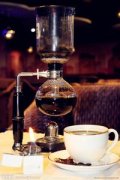
Coffee making skills homemade coffee analysis: siphon pot
Siphon pot (Syphon), commonly known as "glass ball" or "siphon", is a simple and easy-to-use method of coffee brewing, and it is also one of the most popular coffee brewing methods in cafes. Although the siphon pot has the nickname of "plug wind type", it has nothing to do with the siphon principle, but uses water heating to produce water vapor, resulting in thermal expansion and cold contraction principle, push the hot water from the lower sphere to the upper pot, and then wait for the lower pot to cool.
2015-04-17 Coffee making skill homemade parsing siphon
The practice of mocha coffee the method of using mocha coffee pot
Process analysis: initial heat: after the kettle is heated, the air part expands by heat, resulting in pressure, and the water reaches the powder trough through the aqueduct. After soaking in water, the coffee powder expands rapidly to form pressed powder. At this time, the water in the lower pot is resisted by pressed powder, and the closed pressure in the lower pot continues to increase. The purpose of initial heat is to raise the water level to the position of the powder trough and to make the coffee powder form cakes, so that high pressure and high temperature are not needed.
2016-06-05 Mocha coffee practice coffee maker usage process analysis initial heat pot
Coffee and Health issues in the New York Times Coffee Research and Coffee Daily
Do decaffeinated coffee have the same benefits? Decaffeinated coffee is not included in most studies because fewer people drink it and the data are not available. However, a small number of studies that include it have different results: decaffeinated coffee does not seem to have the preventive effect of normal coffee in terms of cardiovascular disease; it is obvious in the comprehensive analysis of a case of stroke.
2016-07-11 New York Times about coffee health problems scientific research daily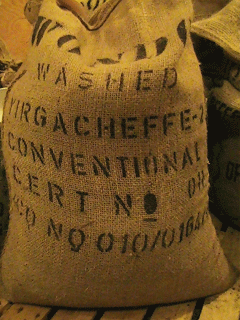
Main points of knowledge about coffee raw beans: introduction to the trade of coffee raw beans and text analysis of sack packaging
Previous blog post: the hometown of coffee once introduced that the main production places of coffee in the world are concentrated in the narrow strip with the equator as the center line and latitudes within 25 degrees from north to south, like a belt around the earth, commonly known as the coffee belt (Coffee Belt). Among the more than 60 producing countries in the coffee belt, except for the local consumption in Brazil, the exports of other countries account for a large proportion of the total output.
2015-12-18 Coffee raw beans knowledge essentials transactions introductions packaging sacks text
An introduction to Coffee Culture and Customs in France A detailed Analysis of the History of Coffee Development in France
First, the history of coffee in France: in 1644, merchants who formed coffee bars in Central China brought coffee into France, and the places where coffee was used at the beginning were concentrated near the coffee bars. In 1699, Turkish Ambassador Luo Liwen. SuleimanAga specially rents a pound castle to celebrate the coffee banquet in China, just to bring the coffee to the French King's Road in Paris.
2015-11-25 France coffee culture amorous feelings introduction detail analysis coffee development history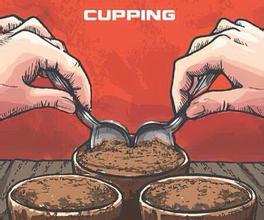
Analysis of coffee cup testing knowledge points: introduction of common terms in Chinese and English for coffee cup testing
When testing a cup of coffee, we should distinguish whether the flavor, alcohol thickness, acidity and wet aroma of the coffee are pleasant. Most cup tasters use the following criteria to judge coffee. While tasting the coffee, you should try to discern whether the flavor, body, acidity and aroma of the coffee is pleasant, or unplea
2015-12-26 Coffee cup knowledge point analysis common Chinese and English terminology introduction understanding cup test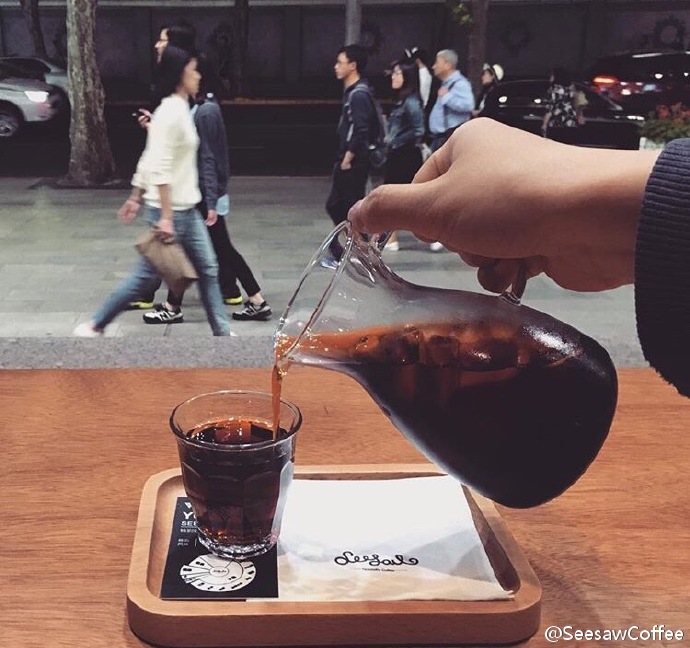
Analysis of caffeine content in ice drop coffee and all kinds of coffee
Ice caffeine is a Dutch colony in Java, Indonesia, in the 17th century. It is said that the coffee extraction method used here was introduced by Dutch merchants, so it was named Dutch coffee Dutch Coffee. This kind of coffee drips with ice water for a long time, so it is also called coldbrew coffee cold (ice brew) or water drip coffee (ice drop). one
2016-07-26 Ice droplets coffee various production caffeine content analysis history 17th century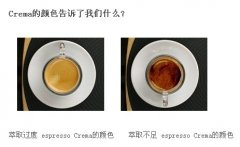
Basic Analysis of barista training what is the Crema of Coffee
What is Crema? How did it come about? During the roasting process, a large amount of carbon dioxide is produced in the coffee beans, most of which will be emitted during the cooling process, a few will continue to be kept inside, and the grinding will release these gases, so coffee must be made as soon as possible after grinding. When hot water hits coffee powder under high pressure, it will emulsify the insoluble oil of coffee powder and pass.
2014-10-08 Coffee knowledge coffee training coffee encyclopedia Crema
Yunnan Coffee and Fine Coffee-- Analysis of production problems
During this short two-week trip to Yunnan, although I only visited the coffee planting and processing base of Pu'er Menglian and some areas of Baoshan, I also found many problems in production and processing. Although it is inevitable to cover all of them, I still sum up these problems. I hope that more coffee lovers will pay attention to Yunnan coffee. After all, the development of Yunnan coffee not only depends on
2014-09-11 Coffee knowledge Yunnan coffee boutique coffee coffee production
Coffee brewing method hand brewing pot: an introduction to the history of hand brewing coffee and an analysis of its operation methods
I like to make myself a cup of coffee at the beginning of the day, the beautiful melody of the bean grinder and the slow and graceful flow of the thin-mouth pot, as if gently opening the curtain of the day. Making coffee by hand allows you to quietly focus on such a wonderful thing. I like to collect my thoughts and adjust my mood in this quiet process. I feel as excited as waiting for the sunrise.
2016-01-06 Coffee brewing way hand pot history origin introduction operation method
How to appreciate the basic knowledge of coffee
Coffee taste analysis, mainly can be divided into four kinds, namely: bitter caffeine, protein, sugar sour tannic acid, acid fat sweet sugar, high quality tannic acid astringent mineral taste coffee should be like tasting wine (Wine), fine taste can understand its essence. No matter how you brew the coffee, you don't have to drink it in a hurry. Smell the coffee first.
2015-04-15 How appreciation coffee basics common sense taste analysis main divisible
How to appreciate Coffee quality Coffee Evaluation of individual Coffee
Coffee taste analysis, mainly can be divided into four kinds, namely: bitter caffeine, protein, sugar sour tannic acid, acid fat sweet sugar, high quality tannic acid astringent mineral taste coffee should be like tasting wine (Wine), fine taste can understand its essence. No matter how you brew the coffee, you don't have to drink it in a hurry. Smell the coffee first.
2015-01-29 How to appreciation coffee boutique single item evaluation taste analysis main
The chemical composition of coffee
Caffeine is the most eye-catching of all the ingredients of coffee. It belongs to plant xanthamins (animal muscle components) and has the same properties as theobromine in cocoa and theophylline in green tea.
2014-05-16 Coffee knowledge coffee chemical composition
How to appreciate coffee gracefully? Drinking coffee should be like tasting wine.
Coffee taste analysis, mainly can be divided into four kinds, namely: bitter caffeine, protein, sugar sour tannic acid, acid fat sweet sugar, high quality tannic acid astringent mineral taste coffee should be like tasting wine (Wine), fine taste can understand its essence. No matter how you brew the coffee, you don't have to drink it in a hurry. Smell the coffee first.
2015-10-26 How Yadi connoisseur coffee should wine tasting same taste analysis
How to appreciate coffee, how to drink coffee, how to drink coffee correctly.
Coffee taste analysis, mainly can be divided into four kinds, namely: bitter caffeine, protein, sugar sour tannic acid, acid fat sweet sugar, high quality tannic acid astringent mineral taste coffee should be like tasting wine (Wine), fine taste can understand its essence. No matter how you brew the coffee, you don't have to drink it in a hurry. Smell the coffee first.
2016-04-26 How appreciation coffee how right way taste analysis main